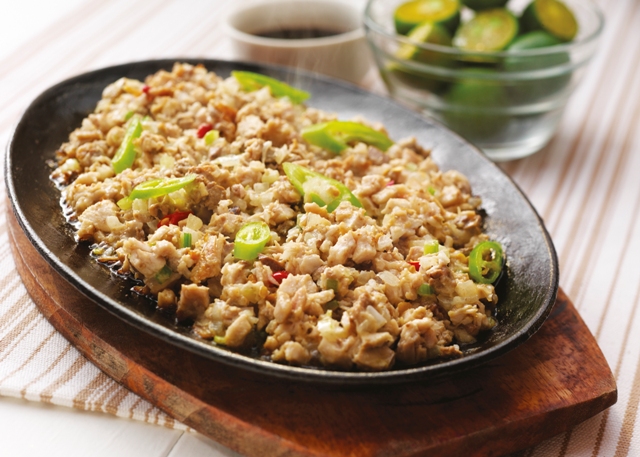
Knocking back a few pints of beer while chowing down on copious amounts of salty, greasy food is a time-honored tradition all over the world. The Spaniards came up with tapas or pinchos, the Koreans snack on anju, and we Filipinos have pulutan. A popular favorite in our country is sisig, which is comprised of a pig’s face that’s been chopped up and fried to perfection. Crispy, tangy, and meaty, it’s a perfect complement for beer’s natural earthy flavors. While its high fat and sodium content can make you dizzy and bloated, none of that matters once you’re three bottles in to drowning your frustrations with your douche ex in between mouthfuls of sizzling sisig.
Origin of Sisig

Sisig originated from Pampanga. This place is considered as the culinary capital of the Philippines. It was invented by Lucia Cunanan. She is popularly known as Aling Lucing and the Sisig queen.
The US military bases located in the town might have played a role in the invention of this dish. American Naval Forces would throw out left over pig parts that they wouldn’t use for cooking. Parts like the pig head, which Filipinos didn’t want to waste.Eventually, the Filipino ingenuity kicked in and they created a dish out of it. They thought wasting the pig heads was absurd. People can buy cheap pig heads in commissaries because these are not normally consumed inside the base.
How Sisig is Made

The distinct, savory aroma wafting from that sizzling plate of sisig might make mouths water, but the recipe behind it could turn the stomach of the more squeamish among us. The first step involves taking a pig’s head (a real pig’s, not your ex’s) and boiling it until it’s tender. The hairs are then removed, with the fleshy portions chopped and then grilled or broiled. Finally, the whole lot is seasoned with salt, pepper, vinegar or calamansi juice before being fried with chopped onions, various types of sili, and chicken livers. Traditionally, sisig is topped with a raw egg which is gently cooked by the sizzling plate’s residual heat. Some eateries occasionally add ox brains, crushed pork cracklings, and even mayonnaise for added richness.
Pork may be the default protein of choice for whipping up sisig, but some adventurous cooks have also used exotic meats like ostrich, frog, and python. Vegetarians and pescetarians (along with practicing Catholics during the Lenten season) can also join in on the fun by going for a plate of squid, tuna, or tofu sisig.
Sisig‘s Little-Known Origins

Though it might be difficult to believe now, sisig was initially conceived as an austere cure for hangovers and nausea (and the vomiting that accompanied both). The dish’s name comes from “sisigan,” an old Tagalog word which means “to make it sour.” Its existence was first recorded in a Kapampangan dictionary back in 1732 by Diego Bergaño, a Spanish missionary who served as the parish priest for Mexico, Pampanga at the time. The Augustinian friar defined sisig as “a salad including green papaya or green guava eaten with a dressing of salt, pepper, garlic, and vinegar.” The dish’s inherent sourness was thought to suppress the urge to vomit, and was thus frequently administered to those suffering from dizziness (or from a night of overindulgence).
This acidic green salad eventually found its way to the dining table as an accompaniment to roasted meats, but it wasn’t until the American Occupation that sisig became recognized as an entrée in its own right. Back then, the US Air Force personnel were stationed at the Clark Base in Angeles City, Pampanga, and the commissaries in charge of preparing their food would dump unused pig heads into the garbage. Aghast at the waste of edible parts, nearby local residents offered to purchase the unwanted portions and were allowed to do so cheaply. They boiled the pig heads, sliced off the ears and jowls, and added these to the sour relish, thus making the prototype of the modern sisig.
Aling Lucing: The Original Sisig Queen

The credit for the modern sisig that we enjoy today belongs to a little old lady who used to live by the railroad tracks. Lucia Cunanan, or “Aling Lucing” as she preferred to be called, retained the elements of the traditional Kapampangan dish (chopped meat cooked with a souring agent), but kicked things up a notch by grilling the boiled meat, chopping it up, frying it with pig brains and chicken livers, then serving it on a sizzling plate. The sourness from which the dish took its name no longer took center stage. In its place, the crunchiness of the pig ear cartilage with the creaminess of the liver and brains came to define a well-prepared plate of sisig. Aling Lucing’s creation catapulted the humble dish from a regional delicacy to a national sensation.
Aling Lucing’s sisig also revolutionized the Kapampangan dining culture. Kapampangan society used to shun humid, open-air canteens and preferred only fancy, air-conditioned restaurants, but the renown of her sizzling sisig piqued the curiosity of the wealthy. Celebrities, government officials, and heiresses all found themselves risking their lives (and their expensive cars) by trekking to “Crossing,” Aling Lucing’s food stall in the slums by the railroad. Now that customers focused on the food rather than on the ambience,

Sadly, Aling Lucing’s story does not have a happy ending. On April 16, 2008, the 80 year-old was found bludgeoned to death in her Angeles City home. The primary suspect was her own husband, then-85 year-old Victor Cunanan, but the investigation was inconclusive and the case remains unresolved to this day.
Sisig Versions
The originally sisig is composed of chopped pigs face with snout and ears. Chicken liver, pig brain, and onion along with calamansi are also part of the mix.
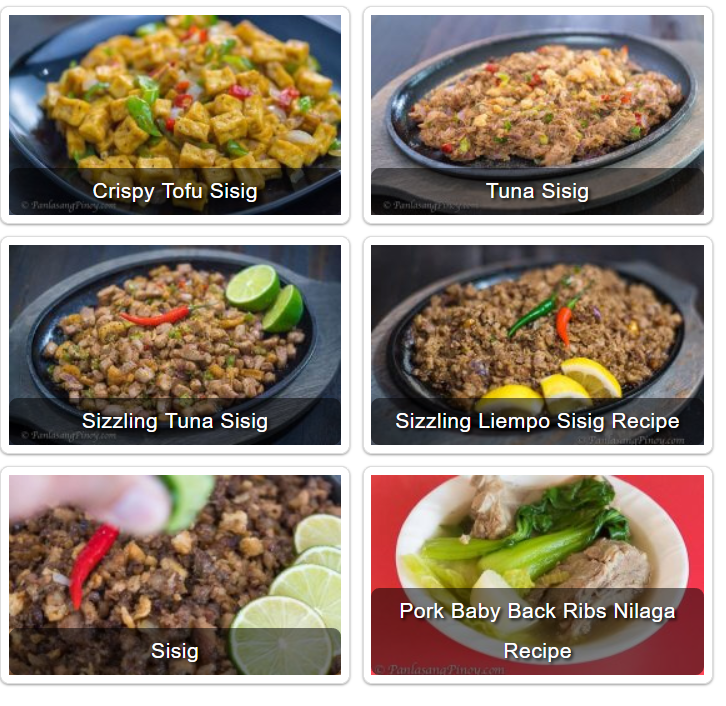
There are several sisig versions available today. There is a variety of main ingredients. It ranges from the original pig’s face to a more healthy seafood concoction. Squid Sisig, Tuna Sisig, Bangus sisig, and Tahong Sisig are some examples.
Pork Sisig has its variations too. Pork belly is a widely used ingredient in conventional sisig versions. There are also versions that use pork shoulder. Some will mix and match different pig parts.
Chicken sisig is a version that is starting to gain popularity nowadays. It is a good option for people who don’t eat pork.
Other Types of Sisig
-LarJ
 FoodGroupFour